
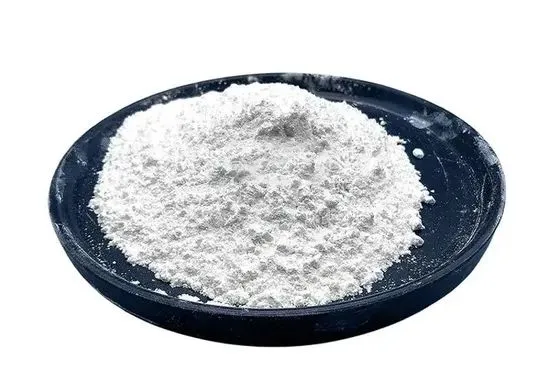
I. Paper Industry: A Key Raw Material for Alkaline Process Upgrades
Calcium carbonate is primarily used as a paper filler in the paper industry. Its large-scale application benefits from the global shift in papermaking processes from acidic to alkaline (or neutral)—a shift that allowed inexpensive and readily available calcium carbonate to replace traditional talc and kaolin, becoming the mainstream paper filler. Adding calcium carbonate to paper not only ensures its basic strength and whiteness but also significantly reduces production costs.
II. Rubber Industry: A Core Filler for High-Efficiency Reinforcement and Cost Optimization
Calcium carbonate is one of the oldest and most widely used fillers in the rubber industry. Its core value lies in its dual role of performance enhancement and cost control. In rubber product manufacturing, adding large amounts of calcium carbonate can effectively increase product volume, reduce the amount of expensive raw materials such as natural or synthetic rubber, and significantly lower production costs.
III. Ink and Coating Industry: A Functional Component for Performance Optimization
In the ink industry, stearic acid-modified calcium carbonate is one of the core raw materials. Inks formulated with calcium carbonate exhibit moderate viscosity, stable printing performance, and good compatibility with other raw materials due to their fine particles. Printed products show a smooth surface, complete halftone dots, and excellent hiding power and gloss. Furthermore, the use of heavy calcium carbonate as a filler further enhances the ink’s gloss and brightness, meeting the image quality requirements of high-end printing.
IV. Plastics Industry: A Dual Benefit of Modification and Cost Reduction Calcium carbonate has extremely wide applications in the plastics industry. It can be used as a filler in various resins such as polyvinyl chloride (PVC), polyethylene (PE), polypropylene (PP), and acrylonitrile-butadiene-styrene copolymer (ABS), expanding the application range of plastic products through performance modification.
In plastics processing, calcium carbonate plays several roles:
First, it reduces resin shrinkage, improving the dimensional stability of finished products.
Second, it improves melt rheology, optimizing processing techniques.
Third, it controls system viscosity, facilitating molding operations.
Fourth, it increases the hardness, rigidity, and heat resistance of plastic products, enhancing their performance.
Fifth, it improves the light diffusion properties of plastics, enhancing their appearance and texture.
Sixth, it significantly reduces raw material costs while maintaining performance, making it an indispensable functional filler in the plastics industry.
V. Food Industry: Safe and Efficient Calcium Fortifier As a legal food additive, the amount of calcium carbonate added to food is usually controlled below 2%, primarily used to supplement the body with essential calcium. In chewing gum, chocolate, and other foods, calcium carbonate, in addition to being a calcium fortifier, can also serve as a matrix material, reducing production costs and improving the taste and shape stability of the food. Its safe and non-toxic properties make it an ideal choice for food nutritional fortification and quality optimization.
VI. Construction and Decoration Industry: A Balancer of Performance and Cost
In the construction industry, calcium carbonate is a crucial component in concrete production. It not only reduces production costs but also enhances the toughness and strength of finished products, improving the load-bearing capacity of building structures. In the production of fire-resistant ceilings, calcium carbonate improves the whiteness and brightness of the product while enhancing fire resistance and raising the building’s safety level.
VII. Breathable Membrane Industry: The Core Component for Functional Realization
Calcium carbonate is the core functional component in the production and processing of breathable membranes. Breathable membranes, also known as “waterproof and breathable microporous membranes,” possess the unique properties of being breathable yet waterproof, and are widely used in hygiene products, outdoor clothing, and other fields. The production process uses polyethylene (PE) as a carrier, adding a certain proportion of calcium carbonate, molding, and then stretching to create a high-density, interconnected microporous structure within the membrane. These micropores are key to the breathable function of the membrane, and the particle characteristics of calcium carbonate directly determine the morphology and distribution of the micropores, thus affecting the core performance of the breathable membrane.